Loading...
Serving Mountain View, CA and surrounding areas. (650) 582-0577
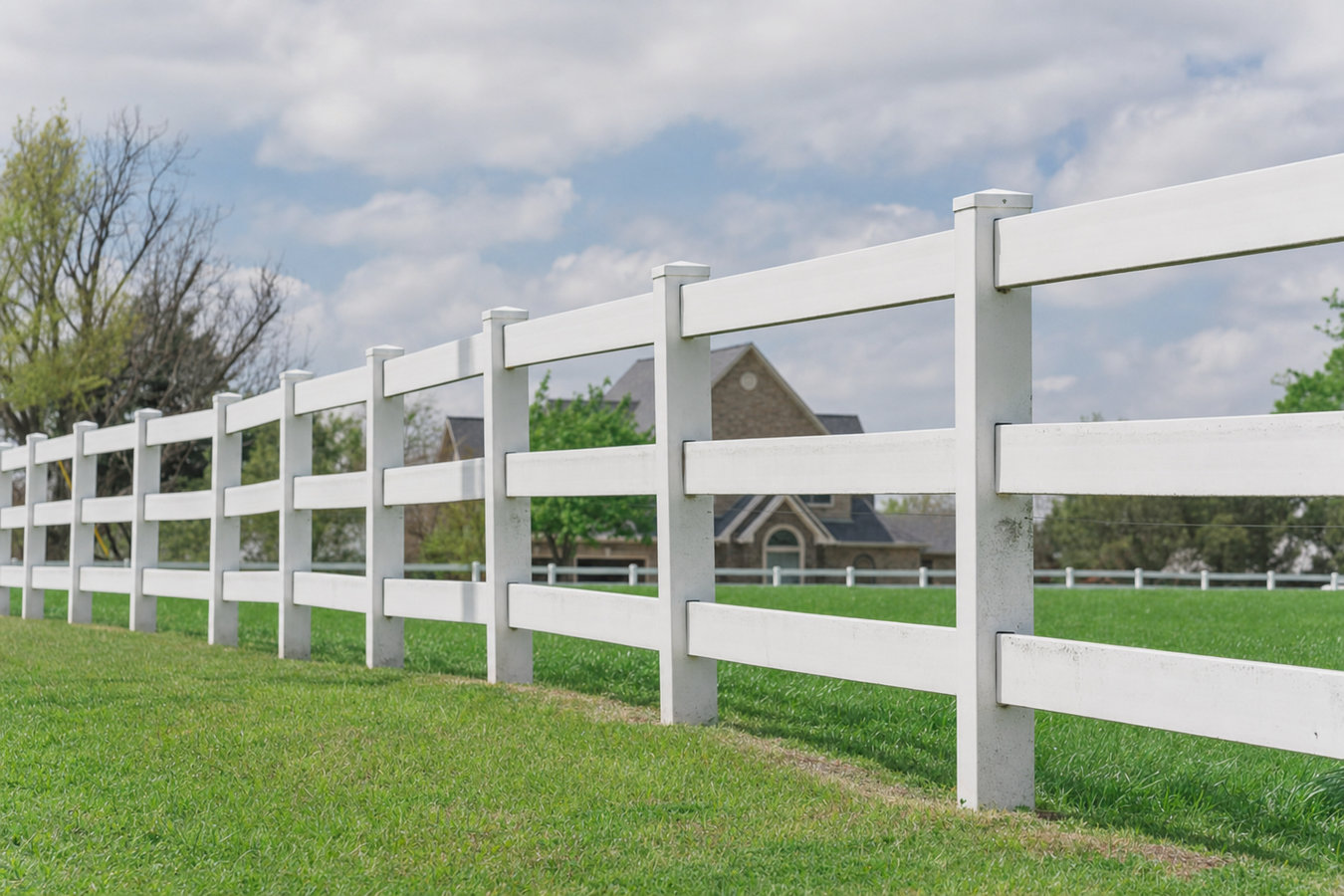
Clay soil, deer pressure, and property lines that matter - farm and ranch fencing in this area needs to be built for local conditions, not installed like a standard backyard fence. We walk the property first, every time.
Farm and ranch fencing near Mountain View covers large-area enclosures for livestock, crops, or property boundaries - most projects involve setting corner and gate posts first, then running woven wire, high-tensile wire, or post-and-rail along the line, with timelines ranging from one day on flat ground to several days on rough or rocky terrain.
Farm and ranch projects are different from a typical backyard fence job. The scale is larger, the terrain is often harder to work, and the consequences of a poorly set post are felt for years as the fence sags or shifts under animal pressure. Mountain View sits on clay-heavy soil that expands with the winter rains and shrinks in the dry summer - that movement is the main reason posts need to be set deeper and braced more carefully here than in areas with more stable ground.
If your property also has dogs or smaller animals to contain, pet and dog fencing addresses different challenges and may need to be installed alongside or as part of a larger farm fence system.
If you can see a visible lean or bow in your fence line, or if the wire has gone slack between posts, the structure is losing its integrity. In Mountain View's clay soil, posts that were not set deep enough will gradually shift as the ground swells and shrinks with wet and dry seasons. A fence that is moving is a fence that is failing.
If livestock, deer, or other animals are regularly breaching your fence, it is no longer doing its job. This shows up as bent or broken wire sections, gaps at the base where animals have pushed through, or posts that have been knocked loose. In the foothills and rural edges of the Mountain View area, deer pressure on fencing is a real and ongoing problem that a properly installed fence needs to account for.
Walk your fence line and look at the base of each post where it meets the soil. Soft, dark, or crumbling wood at that point means the post is rotting from the ground up - a common problem in areas with wet winters and clay soil that holds moisture. A post that looks fine from a distance can be structurally compromised at the base.
Most farm and ranch fencing materials have a lifespan of 15 to 30 years depending on the type and how well it was installed. If you do not know when your fence was put in, or if it has been there since before you owned the property, it is worth having a contractor walk the line to assess what is still sound and what needs replacing.
We install woven wire, high-tensile wire, wood post-and-rail, and barbed wire fencing on properties in and around the Mountain View area. Woven wire - sometimes called field fence - is the most common choice for keeping animals in without sharp edges. It holds up well under pressure and the grid openings can be sized to the specific animal you are containing. For properties where appearance matters alongside function, wood post-and-rail gives a cleaner look that still defines a boundary clearly. If budget and deterrence are the main goals, barbed wire covers more ground per dollar than any other option. We also install gate systems sized and braced to hold up to the weight of heavy farm gates over years of daily use, because that is where problems most often start. For homeowners also managing dogs alongside livestock, our chain link fence installation service offers a durable enclosure option that can be used for dedicated animal runs or secondary containment areas.
Every project starts with a property walk. We look at terrain, existing structures, soil conditions, and any access issues that affect installation. We also confirm your property boundaries and flag any permit requirements before a post goes in. A fence that is installed correctly on the right side of the line, with properly braced corner posts and taut wire, is one you will not be calling us back to fix in two years.
Livestock containment where a safe, non-sharp barrier needs to hold up to daily pressure from animals.
Large properties where long fence runs need to stay taut without heavy intermediate posts.
Properties where appearance matters and a classic ranch look fits the land and neighborhood character.
Large-acreage perimeter fencing where cost per linear foot is the primary concern.
Gardens and orchards in the Mountain View foothills where deer pressure is a consistent problem.
Any project that needs drive-through access points sized and braced for heavy daily use.
The Santa Clara Valley's clay-heavy soil is one of the most challenging conditions for post-setting anywhere in California. When dry in summer, it can be nearly impenetrable and may require a power auger or hand digging through rocky patches. When wet in winter, it holds moisture and accelerates wood rot at the post base. A fence built without accounting for both conditions - setting posts deep, using pressure-treated lumber or concrete anchors - will start showing problems within a few years. We serve rural and semi-rural properties in the Mountain View area and in nearby Los Altos and Campbell where soil and terrain conditions are similar.
Property line accuracy matters more in the Bay Area than in most other parts of the country. With land values as high as they are in and around Mountain View, a fence placed even slightly over your neighbor's line can become a serious and expensive dispute. Farm properties in the area tend to be on the edges of the city or in the foothills where lot boundaries can be irregular or poorly marked. We confirm boundaries before we start - not as an optional step, but as a standard part of every job. If your property is near a creek or drainage channel, we will also flag any setback requirements from the Santa Clara Valley Water District before the first post goes in.
We respond within 1 business day. Tell us roughly how much fencing you need, what you are trying to contain or protect, and whether you have had any permit or property line questions in the past. You do not need all the answers - just describe what you are working with.
Before any price is given, we walk your property in person. We check terrain, obstacles, slope, and any rocky patches that affect post depth. This visit is also your chance to ask questions. A contractor who quotes you without seeing the land is one to be cautious about.
If your project requires a permit - based on fence height, location, or proximity to easements - we handle the application and confirm the expected timeline. We also ask you to confirm your property boundaries before work starts so there are no disputes after posts are in the ground.
The crew sets corner and gate posts first, then works along the line setting intermediate posts and stretching fencing material. When the work is done, we walk the completed fence with you - gates opening and closing smoothly, line straight and taut, site cleaned up before we leave.
We walk your property before quoting. No surprises on the final invoice - just the fence you agreed to, at the price you were quoted.
Mountain View's clay-heavy soil expands when wet and contracts when dry, and that movement pushes poorly set posts out of plumb within a couple of seasons. We set posts to the depth and with the bracing that this specific soil demands, so your fence stays straight through wet winters and dry summers alike.
The open spaces and hillside properties around Mountain View face real deer pressure, and a standard installation that ignores it will have gaps within a season. We design fencing with the height and material spec that the specific animals on your property require - not a generic installation.
In a city where land values are as high as they are in Mountain View, a fence even slightly over the line can become a costly dispute. We confirm your boundaries before the first post goes in, protecting your investment and your relationship with neighboring property owners.
Fencing near creeks, drainage channels, or utility easements triggers requirements from the Santa Clara Valley Water District and city planning - and not every contractor knows which situations apply. We flag those issues during the site visit so your project does not get delayed or require changes after work starts.
Farm and ranch fencing is one of those jobs where the difference between a good installation and a poor one is often invisible on day one - but obvious within a year. We build for the conditions your fence will actually face, not for how it looks when we drive away. The American Fence Association sets the industry standards we work from, and the UC Cooperative Extension publishes guidance on fencing best practices for California's agricultural and rural properties that we reference when designing installations for Bay Area terrain.
Keeping a dog secure in a smaller yard calls for different solutions than ranch fencing - we install pet-specific systems built to hold even determined escape artists.
Learn MoreChain link is a durable, cost-effective option for enclosing large areas where aesthetics matter less than containment and longevity.
Learn MoreSpring is the best time to fence in the Bay Area - book now before the dry season hardens the ground and the schedule fills up.